
A Guide to Recognising Proper Chinese Dining Etiquette
Chinese authentic dining is about more than just what's on the plate. It's built around traditions that shape how meals are shared, enjoyed and remembered. When we sit down at a Chinese restaurant, we’re eating food, but we’re also stepping into a space where customs still play a big part in how things are done. At Wok & Spice in Bengaluru, we serve traditional Chinese cuisine prepared with locally sourced fresh ingredients, so the setting and the food work together to create a relaxed, respectful experience.
Following a few basic dining habits helps us settle in more comfortably, especially when we're unsure of what's expected. Even small details like how we speak at the table or how we place our chopsticks can make a difference. This guide is here to walk through some of the things to know, so anyone dining out can feel more relaxed and respectful at their next meal.
Respecting the Table Atmosphere
When it comes to sitting down for a proper Chinese meal, the atmosphere is just as important as the dishes being served. It's often calm, respectful and focused, especially if there are elders at the table.
Here are a few practices that help keep the setting balanced during Chinese authentic dining:
Keep voices low and polite. Meals are a time to share, not to dominate the room. It's about enjoying each other's company, not being the loudest one there.
Put phones away. Checking texts or scrolling during dinner can break the flow of the meal. Paying attention to the people and the food shows respect.
Be mindful of space. Don’t stretch across the table or grab for things. If a dish is out of reach, kindly ask for it to be passed.
We often find that when everyone follows these simple habits, the meal stays warm and welcoming. It’s an easy way to show care for the people around us.
Knowing the Order of Serving and Eating
In Chinese dining, meals are always a shared experience. That changes how food is served, who starts eating and how the dishes are enjoyed.
Here are a few things that stand out:
Meals are served to everyone at once, not individually. When dishes arrive, they’re meant for the table to share, creating a full picture of taste rather than separate plates.
The guest of honour or the oldest person at the table is usually invited to begin. Others often wait until they take the first bite before starting.
Use a serving spoon or shared utensil when reaching into common platters. Avoid using personal chopsticks to take food from main dishes.
These customs help the meal run smoothly. They also make everyone feel considered. It's less about rushing, more about enjoying each dish together, one step at a time.
How to Use Chopsticks Politely
Chopsticks are simple enough in design, but there are clear habits around how to use them without sending the wrong message. How we place them, hold them and handle them during the meal says more than we might expect.
To stay respectful at the table, keep in mind:
Never leave chopsticks standing upright in a bowl of rice. This looks like incense offered in remembrance and is usually seen during funerals. It's something that brings discomfort at the dining table.
Don’t point, wave or gesture with chopsticks. It can feel direct or disruptive in the flow of the meal.
When you’re not using them, lay the chopsticks on the holder or beside your plate in a neat and quiet way.
Most places in Bangalore offer both chopsticks and forks, so you can always pick what feels best. Still, if you use chopsticks, following these habits helps you feel more in rhythm with the setting.
Showing Gratitude Without Saying a Word
At a traditional Chinese meal, appreciation is shown in soft, natural ways. There’s no need for grand gestures or loud thank-yous. Instead, a few simple actions can say quite a lot.
Here are a few ways we show respect around the table:
Pouring tea for others before filling our own cup. It’s a thoughtful gesture and often done without anyone needing to ask.
Giving a small nod or lowering your head slightly when someone serves you food. These touches show recognition and respect without words.
Acknowledging the cook or host at the end of the meal. A short comment or quiet thank-you is often enough to let them know it was enjoyed.
These kinds of habits take no extra effort, but they add warmth to the table. Especially in a setting where everything is shared, little signs of thanks make the meal feel complete.
Taste and Tradition Work Together
When we take part in Chinese authentic dining, the details matter. The way we speak, wait, serve or raise a cup can shape the entire experience. These customs aren’t here to make the meal feel strict or proper. They exist to help everyone feel seen and connected.
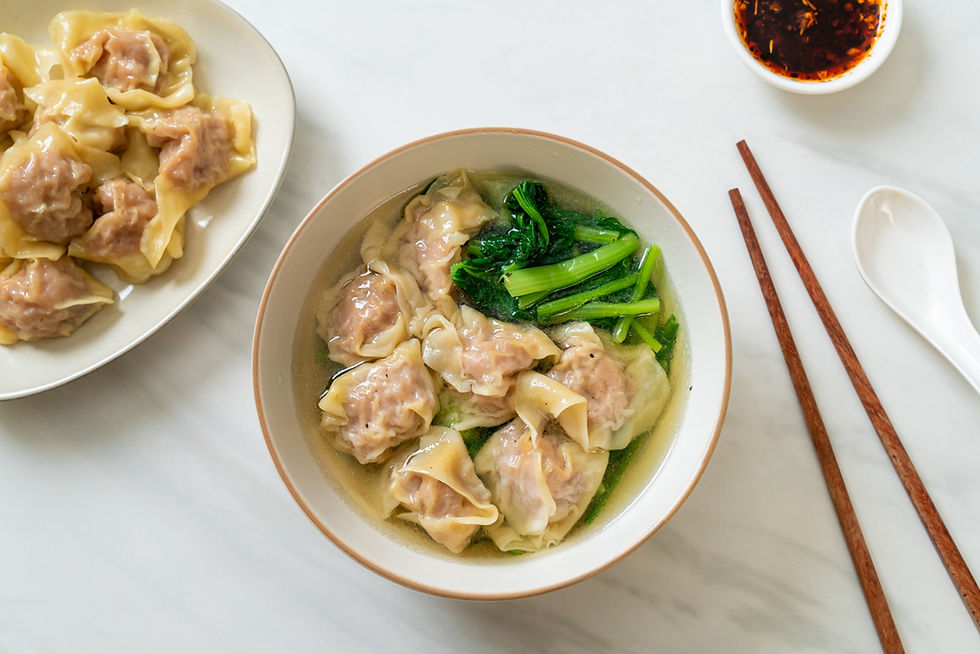
In a city like Bangalore, where April days are warm and meals often bring people together in the evening, sitting down in a relaxed, shared setting feels right. A few polite habits make the dinner feel smooth and enjoyable, even if you're new to it. It’s not about knowing every tradition. It's about showing that you're open to the rhythm of the meal. When the food is paired with good manners, it simply tastes better. Sharing dishes like handcrafted noodles, wonton soup, or even a comforting Thai red curry around the table keeps the focus on both flavour and connection.
At Wok & Spice, we care about preserving the little details that make a meal feel just right, which is why we invite you to explore our dishes that celebrate the heart of Chinese authentic dining. Whether you're gathering with friends or looking to try something new in Bangalore, we've made sure there's something meaningful in every bite. We would love to help you enjoy it your way, so please get in touch with us to plan your meal or ask a question.


Comments