
Mistakes People Make When Ordering Traditional Chinese Dishes
Stop Missing Out on the Best Chinese Delivery
Ordering traditional Chinese dishes for delivery sounds simple, but it is easy to get it slightly wrong. One small choice can turn a great meal into something that feels oily, bland, or just not what you expected. Many people think they are choosing authentic dishes, yet end up with a spread that tastes more like random snacks than a real Chinese meal.
In a city like Bangalore, evenings are busy, traffic is heavy, and the late March heat can make us crave food that feels light but still comforting. We want bold flavor without feeling weighed down. When the order arrives and everything is too greasy, too spicy, or all the same texture, the mood at home drops fast. We want to help you avoid that.
In this post, we will walk through common mistakes people make when ordering traditional Chinese dishes for delivery, how to fix them, and how to set up a balanced, satisfying spread that actually tastes like what you had in mind.
Confusing Indo-Chinese with Traditional Chinese Flavors
One of the biggest mix-ups happens before you even place the order. Indo-Chinese and traditional Chinese are not the same. Indo-Chinese dishes are usually spicier, heavier on chilli and garlic, and very often deep-fried. Traditional Chinese cooking focuses more on balance, freshness, and layers of flavor, not just heat.
If you expect the punch of chilli paneer from a light Cantonese stir-fry, you may feel like the dish is too mild, even if it is very well cooked. That leads to comments like “it is not tasty” when actually it is just a different style.
To avoid this, slow down when reading the menu. Look for clues like:
Region names, for example, Cantonese, Sichuan, Hunan
Cooking methods like braised, steamed, or stir-fried
Words like clear broth, light sauce, or smoked chilli oil
A good rule is to choose at least one classic that shows true traditional character, such as:
Mapo tofu if you enjoy spice and numbing pepper
Kung Pao-style chicken or vegetables for a mix of sweet, sour, and spicy
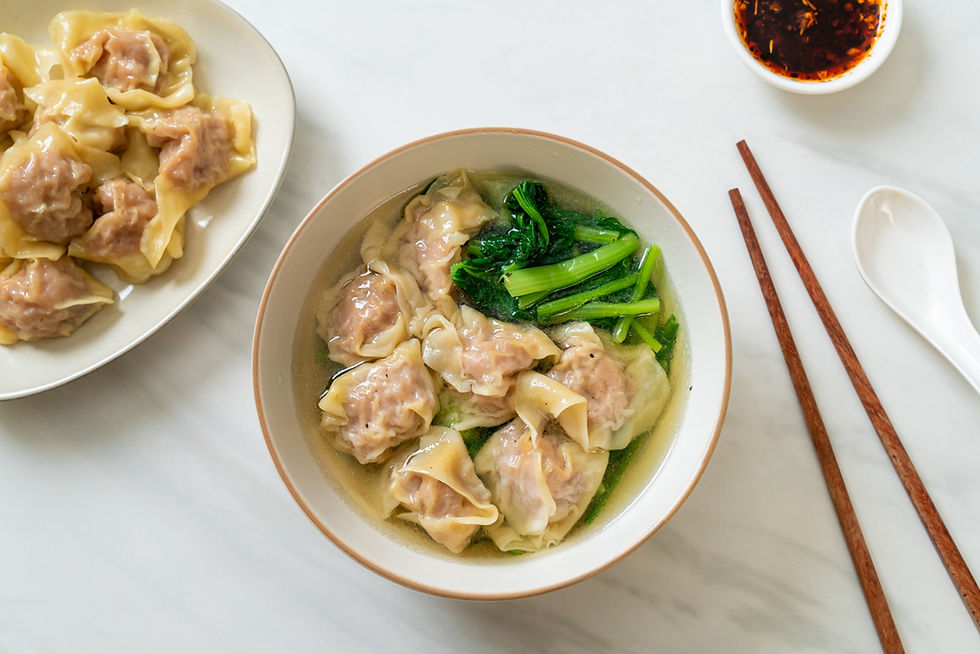
A clear broth soup to taste clean, simple flavors
At our end, we try to keep descriptions clear and region-inspired, so it is easier to see what kind of flavors you can expect. If the platform allows chat or a quick note, you can always ask for guidance toward more traditional dishes.
Ignoring Texture and Balance When You Build Your Order
Another common mistake is going all in on fried food. It is tempting to tap on spring rolls, crispy starters, fried rice, and crunchy sides. But when your whole order is fried, everything starts to taste the same, and it can feel heavy, especially on warm Bangalore nights.
Chinese cooking is all about contrast. You want:
Crisp with soft
Light with rich
Mild with bold
Fresh with saucy
A simple structure can help you build a better order:
One carb: steamed rice, fried rice, or noodles
One dry stir-fry: something with a bit of bite and texture
One saucy dish: a gravy or sauce that can coat your rice or noodles
One veggie or soup: something steamed, clear, or green for freshness
For example, try pairing steamed dim sum with a crunchy stir-fry. Match a clear soup with a richer main. Add a light vegetable dish to cut through a spicy Sichuan-style entrée. When we plan our menu, we think about these pairings so guests can mix and match, choose a broth-based soup on humid days, or add wok-tossed greens for both balance and nutrition.
Overlooking How Dishes Travel During Delivery
Food does not stay the same from wok to doorstep. Heat, traffic, and humidity all change how dishes arrive. A super crispy batter can soften in a closed box. Very fine noodles can overcook slightly in their own heat. Some traditional Chinese dishes for delivery simply travel better than others.
You can order smarter by keeping delivery distance in mind. If your location is a bit far, choose:
Thicker noodles instead of very thin, delicate ones
Fried rice or stir-fried noodles that can handle a few extra minutes
Stir-fries that are meant to be saucy, not ultra-crisp
Whenever possible, use the notes area on the app to request:
Sauces and gravies packed separately from rice or noodles
Dressings on the side for salads or cold dishes
No sealing of vents on fried items, so they do not steam too much
On our side, we pay attention to packaging with vented boxes for fried food and tight containers for soups and gravies so they stay hot but not soggy. It also helps to glance at any packaging notes or customization options before you confirm the order.
Playing It Too Safe With the Same Few Dishes
Many of us have a “safe set” for Chinese delivery: fried rice, manchurian, maybe one noodle. The comfort is nice, but it also keeps you from tasting how wide and gentle traditional Chinese cooking can be. When we always go for the same Indo-Chinese favorites, we miss the more subtle dishes that grow on you with each bite.
You do not need to change your whole order. Just add one easy, authentic gateway dish each time:
Stir-fried greens with garlic in a Cantonese style
Sweet corn or hot and sour soup, both simple but very classic
Chicken, fish, or tofu in black bean sauce for deep umami flavor
Garlic-tossed noodles that focus more on aroma than heavy spice
Late March is a good time to shift to lighter choices. Try broth-based soups instead of only thick, creamy ones. Go for vegetable-forward mains that let fresh, local produce shine. That is something we care about a lot, using fresh ingredients so dishes feel lively, not dull.
Forgetting to Match Spice Levels and Sides to Your Meal
Spice level is another place where orders can go wrong. Some guests ask for everything mild, then feel bored. Others ask for max heat and then cannot finish half the meal. Traditional Chinese spice is not just chilli. It can be peppery, numbing, smoky, tangy, or packed with umami.
To get it right, think about:
Who is eating and how much spice they usually enjoy
Which dishes should carry heat and which should stay gentle
What sides you have to soften or spread out the flavors
Use the notes section when you can:
Ask for mild, medium, or extra spicy
Request less oil or less salt if that suits your family
Mention if there are children or elders sharing the food
Smart sides make a big difference for groups. Steamed rice, simple noodles, or plain greens can balance a powerful Sichuan-style dish. When we design our sauces and cooking styles, we think about how guests often share plates at home, mixing one or two spicy showstoppers with milder, comforting dishes so everyone can enjoy the same order.
Order Authentic, Eat Better, and Enjoy Every Delivery
To enjoy traditional Chinese dishes for delivery at its best, a few mindset shifts help a lot. Try not to confuse Indo-Chinese with traditional regional cooking. Build each order with balance and texture in mind, not just what sounds crunchy. Remember that food changes a bit during delivery, so choose dishes that travel well. Do not lock yourself into the same two items, and take a moment to match spice levels and sides to the people and the evening you have in mind.
Next time you are planning a relaxed late March evening at home, open the menu, pick your usual favorites, and then add one new, more traditional Chinese dish to try. Aim for a spread with one crisp dish, one saucy dish, one light dish, and one carb. At Wok & Spice in Bangalore, we love seeing guests explore Chinese flavors in a way that feels right for our weather, our pace of life, and your own table at home.
Enjoy Authentic Chinese Flavors Delivered To Your Door
Craving comforting noodles, fragrant stir-fries, or classic dim sum without leaving home? Let Wok & Spice bring freshly prepared favorites straight to you with our traditional Chinese dishes delivery. Place your order in just a few clicks and relax while we handle the cooking and the delivery. If you have questions about large orders, dietary preferences, or anything else, feel free to contact us.


Comments