
Tips for Navigating a Chinese Restaurant Menu in Bangalore
Walking into a Chinese restaurant in Bangalore can feel both exciting and a bit confusing. So many dishes, different sections on the menu, and flavour names you might not recognise right away. But that's part of the fun. Whether you’re craving something warm and soothing on a cool February evening or curious about trying something bold, knowing how to read the menu can make everything easier.
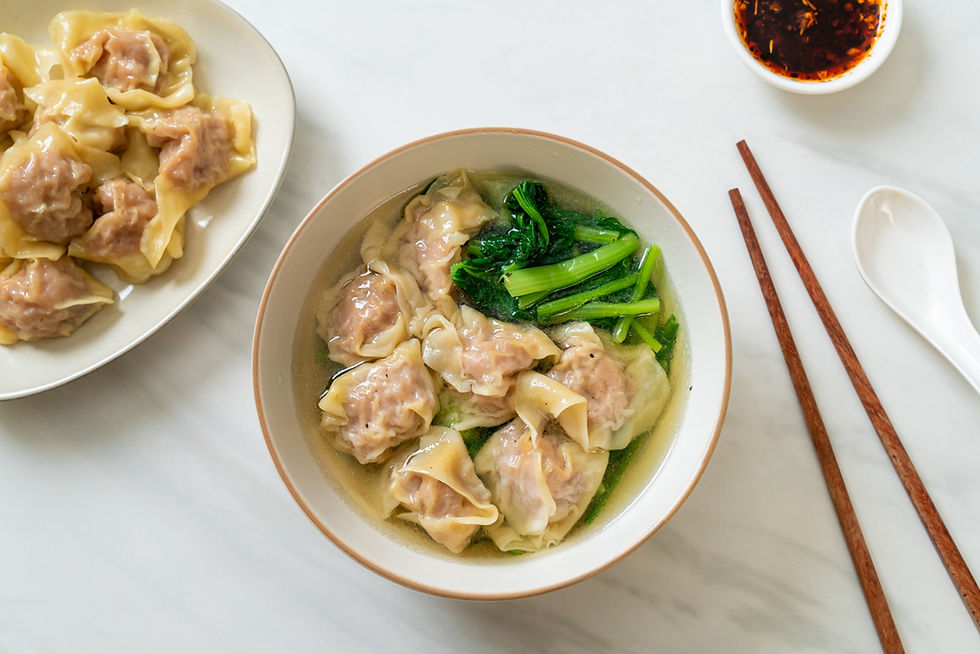
Since late February in Bangalore brings cooler evenings, there's even more reason to try meals that come fresh off the stove or in steaming bowls. At Wok & Spice in Bengaluru, that might mean anything from handcrafted noodles to a bowl of wonton soup served hot and comforting. Menus often offer food that fits the weather without needing a big explanation. You just need to know how to spot what works best for your taste.
First Impressions: How to Read the Menu Layout
One of the best ways to feel more confident with a Chinese menu is to understand how it's likely arranged. Most menus follow a simple layout, even if the names sound new at first. You'll usually spot clear sections like starters, soups, mains, noodles, and rice dishes. Sometimes there's a separate part for signature items or chef specials.
Another good habit is reading beyond the title of a dish. A quick look at the description often gives away useful details. Watch for words that talk about spice levels, textures, or cooking method. For example, a dish described as crispy or stir-fried may feel light, while one that's labelled slow-cooked or braised might be richer.
It also helps to notice small menu signs. Some dishes have a symbol to show they're especially spicy, while others may be marked as favourites. These little clues help narrow things down without needing to ask a dozen questions. If you're still not sure, it's always okay to check what the symbols mean.
Start Simple: Go for Familiar Bases with a Twist
When trying something new, it's easier to begin with ingredients you already enjoy. Rice, noodles, and simple vegetables are an easy starting point. These feel familiar, even if the style of cooking is different. Many Chinese dishes build on these basics but add flavour through sauces, spice, or special toppings.
A comforting option might be a noodle bowl with stir-fried veggies or fried rice with one added topping. You get the balance of something you know, mixed with a new texture or cooking way. If you're not sure about spice, most kitchens are happy to adjust heat levels if asked politely.
Trying a dish you’ve heard of before, but cooked using a Chinese style, gives you a middle ground between comfort and adventure. Use that as a foundation, then branch out as your tastes grow. Asking for mild versions on your first try can also help ease into new flavours. As you get more confident, you might explore dishes with a wider range of sauces or unique vegetables, all built on the core tastes you already know.
Understand Sauces and Flavours Before You Order
So much of Chinese cooking comes down to sauces and how they shape a meal. You might see words like “Schezwan,” “soy-based,” or “chilli garlic” on the menu. Each one tells you something different that changes the feel of the dish.
Here are some common notes to look out for in dish descriptions:
Schezwan often means spicy, with a slightly smoky taste
Soy-based tends to be milder and saltier, usually used in lighter dishes
Chilli garlic gives heat with a punch of flavour, often used in stir-fries
These sauces help balance different flavour notes, like sweet, sour, salty, or spicy. Many dishes won't stick to just one, so you'll get some mix of strength and depth. That might sound overwhelming at first, but with a bit of guidance, it starts making sense quickly. Some of the dishes on our own menu, such as Thai red curry, use layers of sauce and spice in this way so the warmth feels rounded rather than harsh.
If you're unsure about how rich or light something feels, just ask. Some sauces are thick and bold, while others are clear and subtle. This is especially helpful when pairing dishes, so nothing gets lost or feels too heavy. A short chat about sauces can help you make choices that suit your mood, appetite, and interest in spice.
Pairing and Portioning for a Shared Experience
Eating at a Chinese restaurant in Bangalore can work best when it's shared. Sharing dishes offers more variety without needing to commit to just one choice. Even a small group can try three or four plates and enjoy different flavours together.
It’s a good idea to check in with the staff about portion sizes. Some meals are filling and meant to be shared, while others make more sense as personal servings. It helps avoid ordering too much or too little. If you’re unsure how to balance it, try mixing a few things:
Something crispy, like a dry-fried item
A saucy main that works well with rice or noodles
A light, broth-based dish for warmth and balance
This mix covers different textures and taste levels, so no bite repeats the last. Sharing also keeps the mood easy, helpful especially if you're trying the place for the first time or eating with people who have different taste preferences. A shared meal encourages conversation, opinions, and trying things you may not pick for yourself, all while allowing everyone to feel included.
Tips for Trying Something New with Confidence
Trying something unfamiliar doesn’t mean you need to go fully outside your comfort zone. One small shift can be enough. A good way to approach this is to pair one new dish with something safe and familiar. That way, you’ve got your base covered but still get to try something different.
If you're unsure what to pick, a glance around the room can help. Seeing what others are enjoying gives quiet hints about what looks good. The steam rising from a hot pot, or a colourful stir-fry going by your table, might be all you need to go from curious to confident.
Since flavours and popularity often vary by location, don’t hesitate to ask what dishes people around Bangalore tend to enjoy more during this season. What feels nice during a warm summer may not always work during February’s cool evenings. Staff suggestions often match what’s fresh and what suits the weather best. Letting the staff know your comfort level with spice or if you’re looking for lighter or richer meal options can lead to suggestions that fit you better.
A Warmer Meal, A Better Experience
Reading a menu well makes the whole meal more comfortable, especially in cooler weather when warm, layered plates feel just right. At a Chinese restaurant in Bangalore, learning what the dish names and descriptions offer helps you feel less rushed and more sure of your order.
Food that suits the temperature outside always feels more satisfying. A mix of steam, spice, and warmth on a February night doesn’t just fill the table, it improves the mood. With a bit of planning and openness, each dish adds something new to the experience. Whether you're eating alone or with friends, knowing your way around the menu helps make the most of it.
Explore flavours that match the season and make you feel right at home. Whether you're after something light, saucy, spicy or comforting, our menu offers a delightful variety that refreshes every visit. Getting familiar with a Chinese restaurant in Bangalore is meant to be fun and straightforward, and we're here to make your experience enjoyable. At Wok & Spice, we keep things warm, fresh and full of flavour. Have any questions or need help choosing your next dish? Just contact us and we’ll guide you through.


Comments