
How Regional Chinese Flavours Vary Across the Menu
- Mar 12
- 5 min read
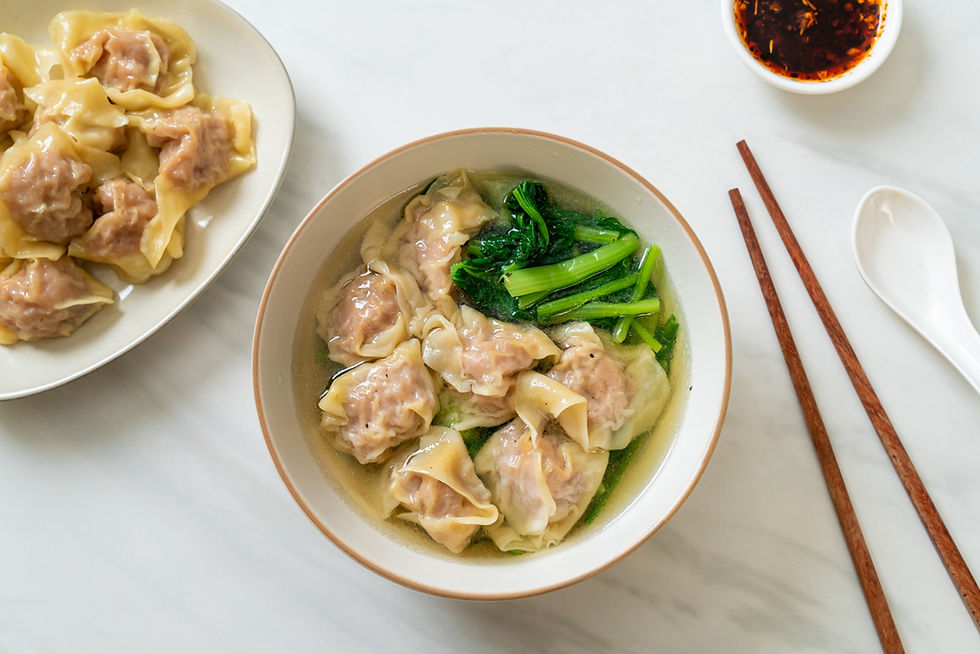
Chinese cooking has never been just one thing. Depending on where you're eating in China, the food can feel rich and bold or light and delicate. These flavour shifts come from local ingredients, weather patterns, farming habits, and generations of hands working with what they had. What we call Chinese food is actually many regional traditions sitting side by side. Across any well-thought-out menu, you'll find everything from soft, soupy broths to stir-fries packed with chilli and vinegar. At Wok & Spice in Bengaluru, our own menu reflects this variety, bringing together dishes like handcrafted noodles, wonton soup, and Thai red curry so guests can enjoy different regional styles in one place.
As the weather eases into Bengaluru’s mild March evenings, we often find ourselves drawn to familiar tastes that offer comfort without heaviness. Slurping a spiced broth or holding chopsticks over a steaming bowl isn't just about hunger. It's about curiosity too. When we talk about authentic Chinese flavours, we’re speaking about this balance of place, taste, and history, how every dish reflects where it comes from and why different meals suit different moods or moments. So, let’s look into what makes these flavours stand apart and how they carry the feeling of their homes, right onto the plate.
Understanding Flavor Foundations in Chinese Cooking
If Chinese cooking has a language, it’s one made up of just a few basic tastes, such as sweet, sour, salty, bitter, and spicy. It sounds simple, but the way they’re combined gives the food its deep variety. Each region chooses how loud, quiet, or complex each note should be. In our kitchen at Wok & Spice, we lean on these same foundations, combining locally sourced fresh produce with traditional recipes so each dish feels true to its roots.
Take soy sauce for example. In some areas, it’s used for dark stews. In others, it's more like a seasoning, brightening the dish without taking over. Chilli shows up everywhere, but the type and amount can change wildly. Some spots prefer oil-packed heat, while others include it only as a soft back note. Vinegar, too, isn’t always about sharpness. The kind used in Sichuan isn’t the same as what you find in Jiangsu cooking.
A big reason for these flavour differences is geography. Wet, southern provinces grow lots of rice and have access to fresh greens all year. Northern areas face colder stretches, so their food leans towards sturdy grains and bigger, salted flavours. Regions surrounded by rivers and lakes often use more fish, while inland cooking includes preserved ingredients, pickles, or stronger cuts of meat. So when we say flavour, we’re really talking about the land it comes from, and how it's cooked to fit each place's rhythm.
Northern Comforts: Hearty, Bold, and Wheat-Based
Northern Chinese food tends to feel strong and filling. Part of this comes down to the climate. Winters get long and cold, so meals had to be more warming and dense. Wheat flour is common here, which means more noodles, buns, and dumplings instead of rice. These dishes make up the backbone of the northern style.
You’ll often taste the flavours before you even see the plate. A mix of garlic, soy sauce, and stewed meats gives dishes that deep, rich scent. Northern cooking doesn’t hold back on oil or intensity, which helps keep the body warm and the spirit fed during cold months.
In Bengaluru, March still holds on to cooler nights from February. These comforting northern dishes are a good match. They don’t overwhelm the senses during daytime warmth, but as the sun sinks and things cool down, their heartiness feels just right. The chewy noodles, slow-braised fillings, and savoury sauces create a simple but solid way to ease into your evening meal.
Southern Spice and Heat: A Match for Warmer Climates
If the north warms you up from the inside, the south wakes up your taste buds. Southern Chinese regions, like Sichuan and Hunan, are known for their strong flavours built with garlic, pepper, fermented sauces, and sour tones. Some days, it feels like the food is meant to keep pace with the warm, humid weather.
Fresh chilli is part of everyday dishes here. The food carries a clear intensity not just from heat but from contrast, sweet and sour, hot and cool, dry and saucy. These layers help keep meals interesting and bright, especially when the air feels thick or tiring.
In Bengaluru, March has a steady, pleasant warmth with just enough coolness in the air at night. These bright, bold flavours slot nicely into that range. Shared meals of southern-style dishes let each bite carry a little surprise, whether it’s from spice or tang. For people looking to enjoy authentic Chinese flavours that cut through the mild heat without feeling too rich, this is a good time of year to try the southern side of the menu.
The Gentle Touch of Eastern and Cantonese Styles
Eastern China, including Jiangsu and Zhejiang regions, approaches flavour in a softer way. Cantonese food, popular across many parts of the world, comes from further south but follows the same lighter touch. Meals here are often built around clear broths, slow steaming, and clean flavours that let the ingredients shine on their own.
These dishes avoid strong spices, leaning more on texture and natural sweetness. Ginger, spring onion, and a touch of soy take the lead, with seafood and green vegetables appearing often. Slow cooking helps add richness without masking taste.
In Bengaluru, there are days when appetite tugs gently, calling for something calming and not too bold. These gentler meals work well when you’re sharing food with others or want a break from pungent dishes. For those who prefer their meals soothing instead of fiery, these flavours offer a simple kind of balance. They suit warmer afternoons or light outdoor dinners, where peace and pace matter almost as much as taste.
Tastes That Travel: Why It Matters What You Choose
Choosing across regional Chinese food isn’t about picking right or wrong, it’s about pairing mood and food. Some nights call for spice and contrast. Others just need something familiar and steady. When we know where these flavours come from, we can order more confidently based on how we feel or what the day has been like.
Authentic Chinese flavours carry more than just spice levels or cooking styles. They help us eat not just what satisfies hunger, but what fits our moment. One person might lean toward a slow-cooked northern dish on a work-heavy evening. Another might prefer sharp, spicy stir-fried southern plates that match their lively catch-up with friends.
And sometimes, contrast is the best choice of all. A table with one bold, chilli-packed side next to a soft, steamed dumpling lets us taste the range of China without leaving our seat. The most surprising part is how much these dishes speak to the place and the season. Across any menu that respects tradition, there’s something suited to where we are and how the day feels.
At Wok & Spice we invite you to experience the range of flavour differences in our menu. Whether you are after something light and gentle or bold and warming, finding dishes that match your mood is simple as the weather shifts in Bangalore. Every meal is rooted in the time-honoured cooking traditions we hold dear. You can browse dishes shaped by regions across China, each with its own take on authentic Chinese flavours. If you need any help choosing, we are here to talk.


Comments