
Understanding the Real Heat Levels in Spicy Asian Dishes
Cool evenings in January bring out cravings most of us know too well, something warm, filling, and just a little spicy. In Bangalore, this is often when spicy Asian cuisine makes its way onto more dinner tables. There’s something comforting about the heat it brings. But not all spice hits the same. Some dishes leave a slow buzz on the tongue. Others fire up the back of your throat after just one bite. That mix of sensations is one of the things that keeps these dishes interesting.
We’ve noticed that many people think “spicy” only means “hot enough to make your eyes water.” That’s not always the case. Once you know how the heat works, what causes it, how it builds, it’s much easier to enjoy without being caught off guard. Whether you like a soft tingle or a bold kick, understanding the differences can help make each bite more enjoyable.
Understanding What “Spicy” Really Means
Spice doesn’t come in just one type. It’s not always about whether your mouth is on fire. In fact, some of the best spicy dishes are about flavour first, then heat.
Several types of spice feel different on the tongue:
• Sharp heat hits fast and fades quickly
• Slow-building heat grows with each bite
• Tingling spice can feel more like a buzz than a burn
Spicy oils, fresh chillies, or certain types of peppercorns all bring their own kind of warmth. For example, chilli oil often offers a fragrant, warming type of heat that seeps in gently. Sliced chillies give a brighter, sharper bite. Sichuan peppercorns leave a buzzing sensation without the sharp sting. These differences make tasting spicy food much more interesting, as each bite reveals something new.
Not everyone enjoys the same level of spice, and that’s completely fine. Spicy food doesn’t have to be painful. In fact, one of the best parts about Asian flavours is how flexible they are. Even dishes known for their heat can be adjusted in tone or served with different add-ons that help balance the experience. For families, this makes sharing a meal easier, as each person can find their own comfort level on the spice scale.
While spice is often the headline, it should never hide the delightful tastes underneath. The kick is meant to enhance, not overpower. If you’re cautious about strong heat, starting with dishes that build up slowly or include cooling ingredients is an ideal way to enjoy the warmth without getting overwhelmed. This approach also lets you experience how the spice makes the rest of the dish shine.
Common Ingredients That Add Heat
There are a few ingredients that bring warm layers of flavour before you even notice the heat. These tend to appear again and again in many Asian dishes, and it’s what makes each type of spiciness feel full instead of flat.
Some of the most common ones include:
• Garlic and ginger, which create warmth without a strong burn
• Fresh and dried chillies, which adjust spice levels depending on their cut and use
• Sichuan pepper, which gives a tingly buzz instead of heat
These ingredients often work in pairs or groups. Nothing works alone. It’s not just about turning up the heat but building up the base. A spoonful of garlic-chilli oil might sound intense, but when cooked into a noodle dish or spooned over dumplings, it brings depth before boldness.
Layering plays a role as well. A dish that’s been stir-fried with garlic, followed by heat from chilli flakes, then topped with a peppercorn oil ends up with multiple levels of flavour. You get one kind of warmth upfront, another at the back of the throat, and sometimes even more that builds through the meal. This creates a sense of adventure as you eat, because the flavours unfold in waves.
As you start to pay closer attention, you may notice how fresh and dried versions of the same ingredient, like chillies, change a dish’s overall feel. Dried chillies often provide a deeper, smokier warmth, while fresh chillies brighten the taste and give a quick, sharp hit. Garlic and ginger set a gentle background note that compliments rather than conflicts with the other layers. These balanced combinations are what make each dish stand out and feel inviting.
How to Tell the Difference in Heat Levels
Spotting heat before a bite isn’t always simple, but there are a few clues if you know where to look or smell. That first whiff of steam rising off a hot plate can tell you quite a bit. Spicy dishes often carry a deep, rich scent that hints at what’s coming.
Here are a few things that often reveal how spicy something might be:
• A strong, sharp scent often points to fresh or strong chilli use
• Visible chilli flakes or oil on the surface give a clue about the strength
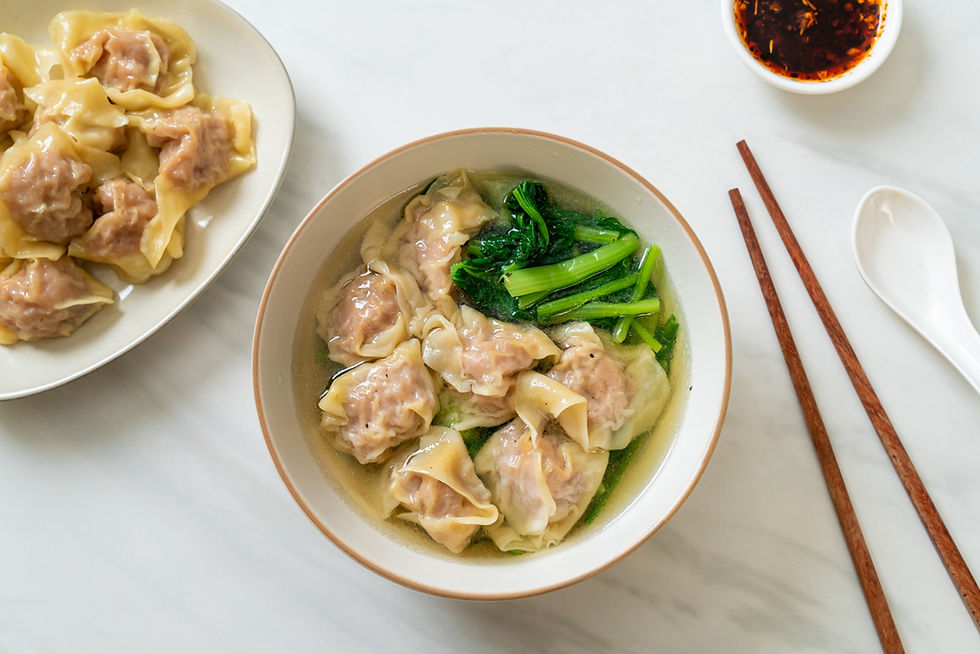
• Clear, light broths often carry a gentler form of warmth compared to darker, oil-based ones
The style of cooking matters too. Stir-fried dishes tend to concentrate heat in the surface, giving you a sharp bite right away. Broth-based meals, on the other hand, deliver warmth that slowly spreads through the mouth and chest. Dry chilli-based meals can sneak up on you, building intensity bite by bite. Recognising those patterns helps set proper expectations, especially if you’re still new to bold spice.
When trying something new, looking for visible signs like the colour of the broth, bits of chilli, or even just the aroma, helps avoid unexpected surprises. If you’re unsure, starting with a dish that appears lighter, or has obvious cooling toppings like spring onion or cucumber slices, can soften your first bite. For those who love to discover, mixing up your choices between sharp, bold dishes and lighter, broth-based options keeps every meal fresh and exciting.
If dining with others, don’t hesitate to ask friends which dishes they find mild or hot. Sharing a few plates lets everyone experience different levels of heat, while also learning what suits their own taste best. Remember, it’s always perfectly acceptable to enjoy gentle spice as much as bold chilli heat.
Why Heat Feels Comforting in Cooler Weather
There’s a reason so many people reach for spicy food when the air turns cool. In Bangalore, January evenings are just cool enough to make us want meals that warm from the inside out. Not in a heavy way, but in a steady, lingering kind of warmth.
Spicy food comforts in several ways:
• The heat boosts circulation, which makes the cold feel a little less sharp
• Warm spices, like ginger, help loosen up that chilly feeling in the chest
• Steamy dishes paired with layered heat feel heartier and more satisfying
What really stands out is how these meals don’t just heat your tongue. They tend to make the whole body feel relaxed and settled. That matters during the first months of the year, when temperatures may drop a little in the evenings and lighter food doesn’t always feel enough. Spicy but balanced dishes offer just the right kind of weight without feeling too rich or dense.
The slow heat from a well-made dish can linger long after your plate is empty, making you feel comfortable even if you were chilly before you ate. Families sitting together over steaming bowls often find that the combination of conversation, shared plates, and steady warmth is just what winter evenings call for. If you’re spending time with friends in Bangalore, spicy Asian food finds a way to be the centrepiece, gently fending off the cool weather outside.
Even when you eat spicy food alone, the aromas and warmth can create a welcoming atmosphere. Pairing your favourite hot dish with a blanket and your favourite show can make any winter night feel special. That’s the power of food that understands the season.
From Fire to Flavour: Enjoying the Spice at Every Level
Spicy Asian cuisine gives us more than just heat. It brings contrast, flavour, and a wide range of sensation that can make each meal feel different from the last. The more we know about what ingredients shape the level and type of spice, the easier it gets to find something that suits our own taste.
One dish might be bright, fresh, and gentle. Another could carry layers of slow warmth that build over time. That’s the real draw: spice can mean many things, and it doesn’t need to be loud to be full.
Once we start thinking of spice as a part of cooking, not a challenge, we get better at reading dishes, ordering what we love, and enjoying new ones without surprise. Each bite becomes easier to understand and, more importantly, easier to enjoy.
Experience the layers of heat in our crafted dishes at Wok & Spice. We have created plenty of options that reveal what spice can feel like at different levels. From gentle warmth to bold chilli-forward choices, there is something to enjoy for every mood and the cool Bangalore weather. We take pride in each meal's unique mix of depth and flavour, turning up the heat only where it’s meant to shine. To see how we approach spicy Asian cuisine, have a look at what we’ve been cooking lately. For any questions, please contact us directly.


Comments